Quality Hardwood Refinishing Services for a Beautiful, Long-Lasting Shine
Premium hardwood restoration services offer an effective approach for improving the practical and aesthetic qualities of wood floors. These services utilize premium products and expert methods, delivering a finish that is both striking and resilient. Homeowners often fail to recognize the impact of expert restoration on their property value. Grasping the nuances of this process could expose considerable advantages, particularly when considering the long-term benefits and the pitfalls of DIY approaches. What should one know before proceeding?
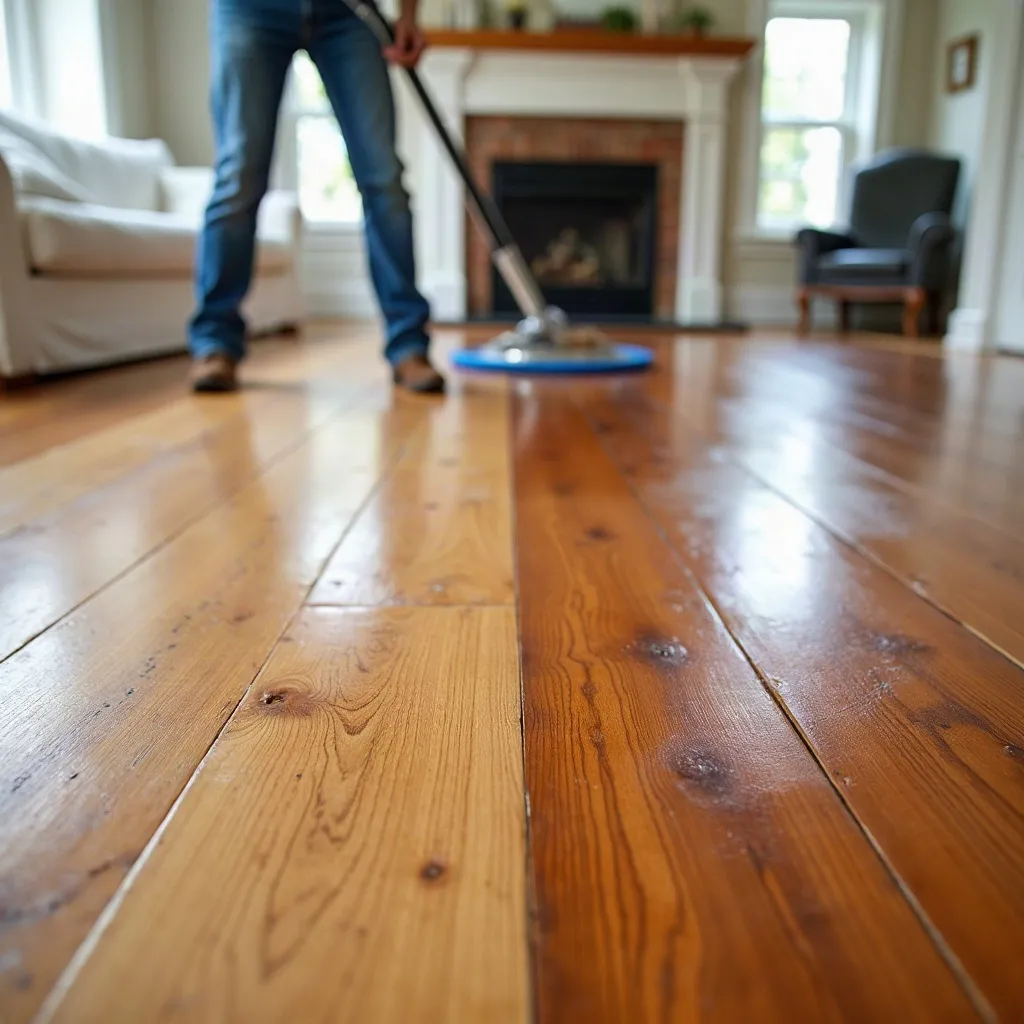
Think about Why Professional Hardwood Restoration Makes Sense
The allure of beautifully restored hardwood floors often relies on the skill of expert floor restoration specialists. Choosing such services not only enhances the aesthetic appeal of a home but also prolongs the lifespan of the flooring. Professionals have expert understanding and tools that ensure a thorough process, tackling imperfections and wear effectively.
Additionally, their proficiency provides personalized solutions that address the distinct requirements of different wood types and finishes. This careful attention can minimize further deterioration and costly restoration down the road.
In addition, a beautifully restored floor can improve property value, making it a prudent investment for homeowners. The time and effort saved by engaging specialists further support the cost, as they complete the job with efficiency and safety. Ultimately, professional refinishing transforms not just the floors, but the entire ambiance of a home environment, making it a decision to contemplate.
How Hardwood Refinishing Unfolds
Hardwood refinishing is a planned process that starts with a complete preparation and assessment phase. This initial stage guarantees that any pre-existing damage is discovered before the sanding and finishing techniques are employed. Familiarity with these steps is crucial to achieving the best results in restoring the beauty of hardwood floors.
Setting Up and Appraisal Workflow
Assessing the state of the hardwood floor is vital for a successful refinishing project. The process begins with a complete inspection to spot any damage like scratches, dents, or water stains. Specialists usually examine for evidence of wear, moisture damage, and overall flooring integrity. After being reviewed, the previously applied finish type is recorded, as it determines the refinishing method. Measurements are taken to calculate the square footage, assisting material selection and cost calculation. Furthermore, any repairs needed, such as filling gaps or replacing damaged boards, are noted. This thorough evaluation lays the groundwork for a customized refinishing plan, ensuring the final result satisfies the homeowner's expectations and improves the floor's durability.
Grinding and Completing Tasks
Sanding readies the hardwood surface by eliminating old finishes and flaws, uncovering the fresh wood beneath. This critical step includes using different grits of sandpaper, commencing with coarse grit to eliminate deep scratches and worn areas. Increasingly finer grits refine the surface, creating a smooth finish that improves the wood's natural beauty. After sanding, dust and debris are carefully removed to prevent imperfections in the final coating. Afterward, finishing techniques, such as staining or sealing, are used to safeguard the wood and improve documentation its visual appeal. Professional-grade finishes provide durability and a lasting shine, ensuring the hardwood not only looks beautiful but also resists daily wear. Proper sanding and finishing techniques are necessary for achieving superior results in hardwood refinishing.
Leading Perks of Professional Hardwood Recoating Services
Transforming tired, worn-out floors into beautiful displays is one of the most compelling reasons to contemplate expert wood floor restoration. These services not only revive the natural beauty of hardwood but also enhance the overall aesthetics of a home. Expert restoration can significantly boost property value, making it an attractive investment for homeowners.
Additionally, experts apply superior materials and state-of-the-art processes, providing a pristine outcome that DIY strategies typically are unable to achieve. This leads to, improved resilience, allowing floors to resist deterioration over time, which proves notably valuable in congested locations.
Moreover, seasoned refinishing reduces dust and debris, ensuring a cleaner environment during the process. With a range of finishes available, homeowners can modify their floors to match their style preferences. Ultimately, seasoned refinishing offers a blend of beauty, longevity, and increased home value, making it a worthwhile consideration for any hardwood floor owner.
Getting Your Home Prepared for Hardwood Refinishing
Preparing a home for hardwood refinishing is essential to ensure a smooth and efficient process. First, property owners should take out all belongings, carpets, and household goods from the area to create a clear workspace. This not only safeguards belongings from particles and dirt but also allows easy access for the refinishing team. Next, it is recommended to clean the floors completely, eliminating dust and dirt that may hinder the refinishing process.
Homeowners should also consider keeping animals safe in a distinct space to stop them from straying into the work zone and guarantee their safety. Additionally, it is prudent to communicate any particular needs or desires with the refinishing professionals beforehand. Finally, ensure proper ventilation in the home, as refinishing materials can emit strong odors. By following these steps, homeowners can facilitate a more efficient and effective hardwood refinishing experience.
Common Errors to Prevent When Refinishing Hardwood Floors
When refinishing wood flooring, several common mistakes can undermine the outcome. Overlooking essential preparation steps, using incorrect sanding techniques, and disregarding proper finishing can cause unsatisfactory outcomes. Understanding of these pitfalls is vital for achieving a professional-looking surface.
Avoiding Readiness Steps
incomplete inspection of the surface's state can also lead to missing critical fixes. Consequently, meticulous readiness is essential to ensure the detailed groundwork is vital for preserving the lifespan and visual charm of refinished hardwood floors, ultimately boosting their appearance and market value in any room.
Flawed Sanding Strategies
Improper refinishing methods can significantly compromise the quality of hardwood floor refinishing. One frequent error is applying uneven pressure while sanding, which can create dips or uneven surfaces. Additionally, using the wrong grit sandpaper can result in excessive removal of wood, resulting in damage. Failing to sand in the direction of the grain may also leave visible scratches, diminishing the floor's overall appearance. Inadequate dust removal between sanding passes can allow particles to mar the finish, damaging the final result. Finally, neglecting to properly shift between different sanding grits can lead to an inconsistent and unprofessional look. Avoiding these pitfalls is essential for achieving a even, perfect finish that enhances the natural beauty of hardwood floors.
Neglecting Appropriate Final Details
Proper finishing is as important as the sanding process in achieving a premium hardwood floor refinishing. Many homeowners underestimate the significance of using the right finishes and application techniques. Ignoring this step can cause uneven surfaces, poor durability, and a dull appearance. Typical mistakes comprise applying too few coats, utilizing incompatible products, or failing to allow sufficient drying time between layers. Moreover, inadequate preparation, such as omitting thorough floor cleaning, can undermine the finish's adherence and longevity. Experts recommend opting for quality finishes designed for the particular type of wood, ensuring a long-lasting shine. By prioritizing proper finishing, homeowners can enhance the appearance and lifespan of their hardwood floors, steering clear of the pitfalls of poor refinishing.
Taking Care of Your Newly Finished Hardwood Floors
Keeping freshly completed hardwood floors requires ongoing attention to preserve their appearance and longevity. Frequent brushing or vacuuming is essential to remove dust and debris that can mark the surface. Using a soft-bristled broom or a vacuum made for hardwood works to prevent damage.
Mopping must be performed with a lightly moist microfiber cloth and a pH-neutral cleaner specifically developed for hardwood. Excessive moisture can cause warping, so it’s vital to avoid soaking the floors.
Additionally, placing rugs in high-traffic areas can minimize wear and tear. Homeowners should also be mindful of furniture placement; applying protective pads under furniture legs can avoid scratches.
Ultimately, maintaining ideal humidity levels in your house can safeguard the wood from swelling and shrinking. Regularly checking for signs of wear and tackling them quickly will guarantee the floors retain their beautiful look for many years ahead.
Frequently Inquired Queries
What Schedule is Recommended for Hardwood Floor Restoration?
Hardwood floors ought to generally be refinished every 7 to 10 years, contingent upon factors such as foot traffic, wear, and maintenance. Periodic inspections can help identify the ideal timing for refinishing to maintain their appearance.
Which Types of Treatments Can You Discover for Hardwood Floors?
Various options are available for hardwood floors, such as oil-based polyurethane, water-based polyurethane, penetrating oils, and varnishes. Each option provides different durability, appearance, and maintenance requirements, enabling homeowners to select based on their specific needs.
Is It Feasible to Remain in My Home During Refinishing?
During refinishing, remaining in the home is rarely recommended on account of dust, fumes, and potential hazards. Homeowners should contemplate temporary relocation to maintain safety and comfort while the job is happening.
How long does the resurfacing procedure require?
Refinishing typically requires between three to five days, varying with the size of the region and the extent of the effort needed. This window allows for adequate drying and curing of the topcoat.
Is Hardwood Refinishing Safe for Kids and Animals?
Hardwood refinishing is generally secure for children and pets when appropriate safety measures are taken. Ensuring adequate ventilation, using low-VOC finishes, and allowing enough drying time minimizes risks, creating a more secure setting throughout and following the process.
Comments on “Milford Top Hardwood Refinishing for Refreshing Aging Hardwood Floors”